Foodstuff

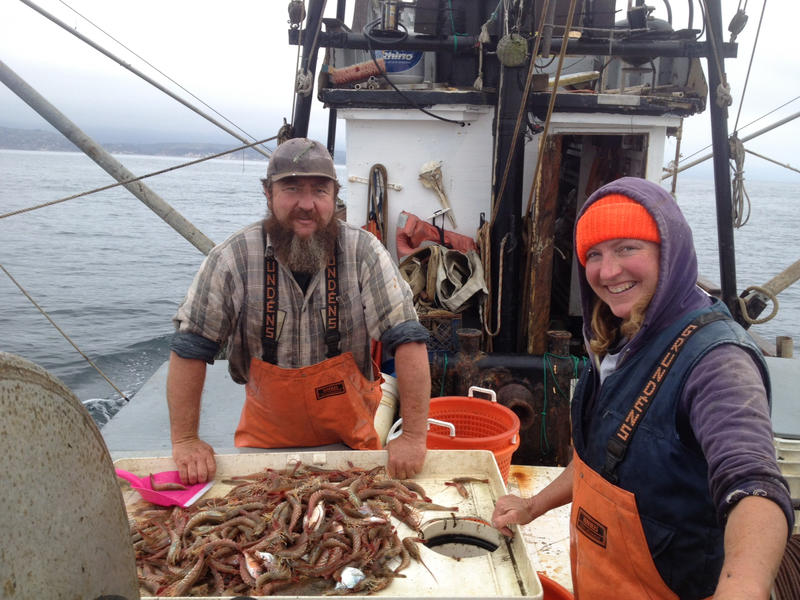
Nearly 100 pounds of gleaming, fresh-caught California yellowtail and white sea bass arrived at Chef Michael Cimarusti's Los Angeles-based restaurant on Wednesday morning. But this wasn't just another ho-hum seafood delivery.

The pile of fish marks an important step toward a fundamentally different way that prominent chefs are beginning to source American seafood: the restaurant-supported fishery.

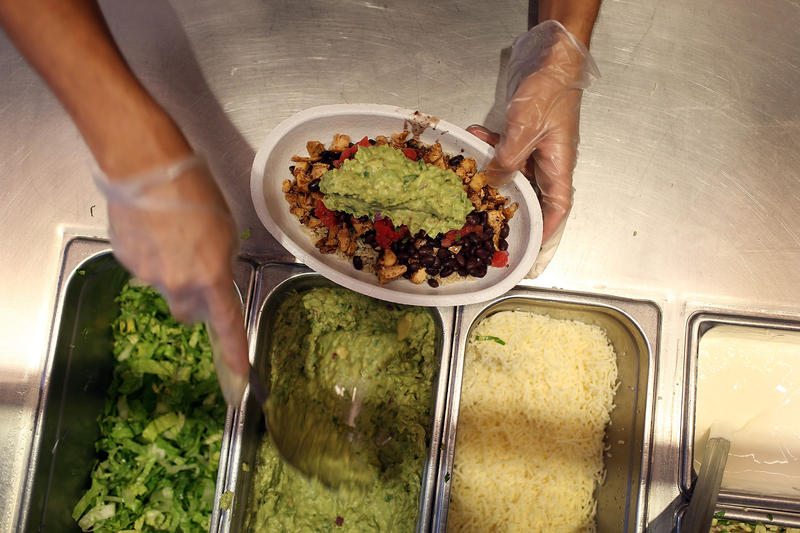
In April, Chipotle Mexican Grill made a big splash when it launched a called G-M-Over It.

"When it comes to our food, genetically modified ingredients don't make the cut," the chain said.

And customers seemed to eat up the message.

But a new class-action lawsuit against the Mexican chain alleges that the campaign's marketing claims don't hold up.

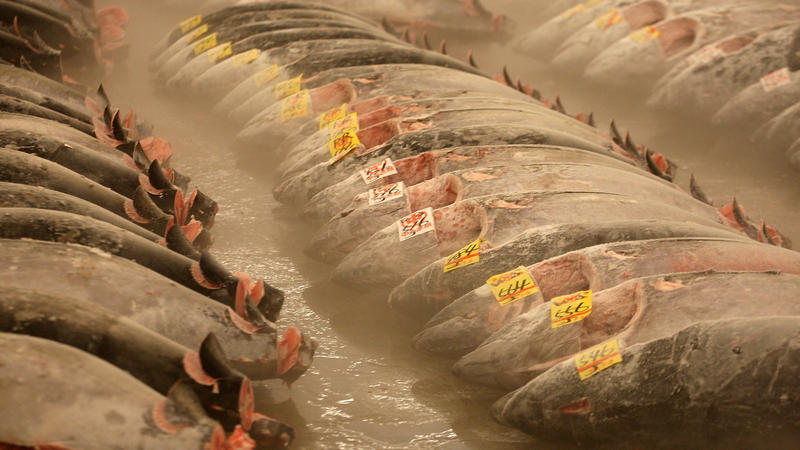
A recent outbreak of Salmonella in frozen tuna might have sushi lovers wondering if it's safe to eat that raw fish.

The outbreak in question in March. All told, it sickened 65 people in 11 states. There were 35 cases in California, with another 18 in Arizona and New Mexico. The rest of the cases were scattered across the country, including four in Minnesota.

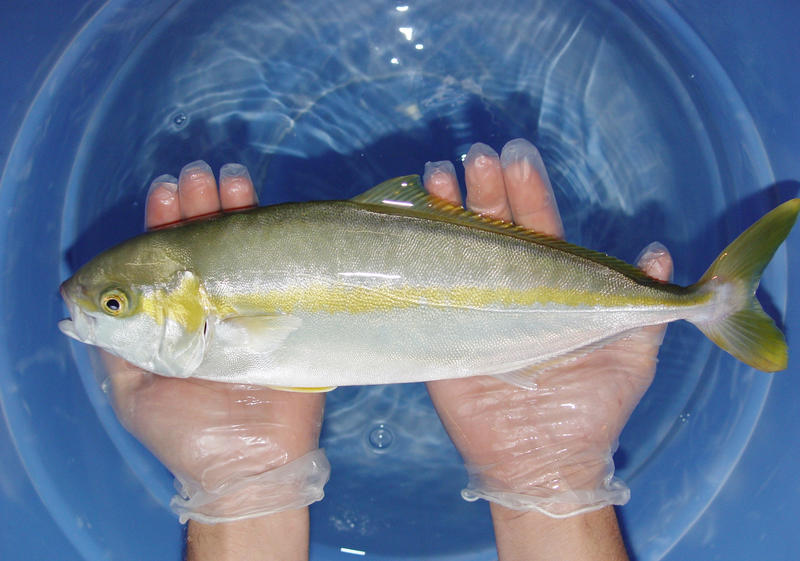
The largest fish farm in America could be built 4 miles off San Diego's coast.

could have a footprint on the ocean floor of 1.3 square miles, about the same size as New York's Central Park. The goal is to produce 11 million pounds of yellowtail and sea bass each year.

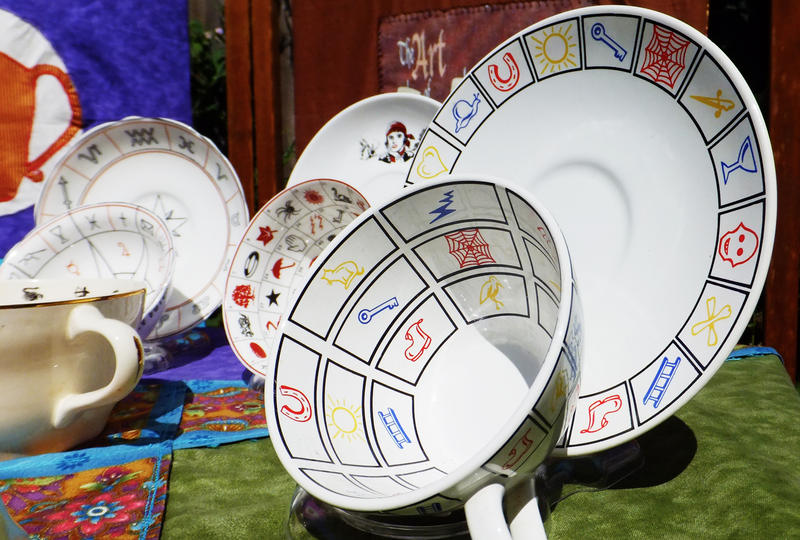
Trying to divine what the future holds is an ancient human preoccupation. And for centuries, soothsayers have sought answers in the bottom of a teacup.

Amy Taylor was 18 when she stumbled into the practice of reading tea leaves. Now 46 and a professional tea-leaf reader, she remembers looking into her stepsister's teacup at a Toronto restaurant, and saying, "Oh, that's funny, that looks like a tree." She says she looked at all of her family's cups that night, and saw things in all of them. "I just thought that was really odd," she says.

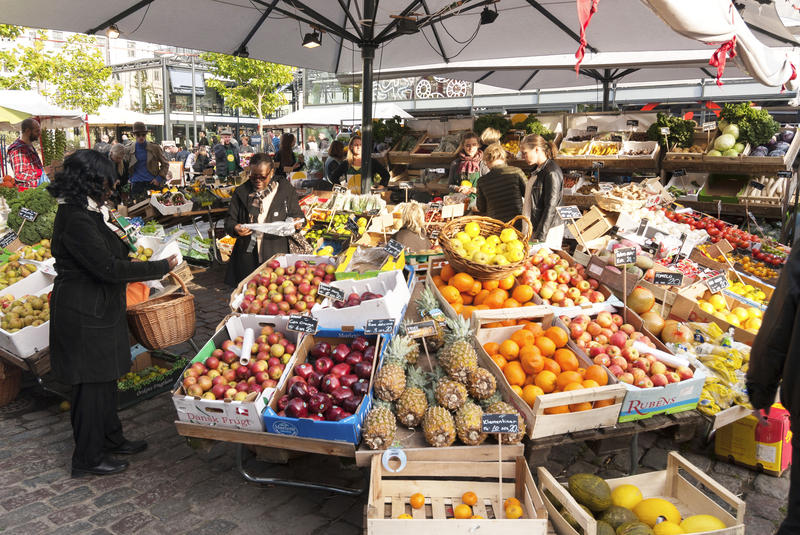
At a festival on the Danish island of Fyn, Claus Holm, a fast-talking Danish celebrity chef, is sniffing and mixing into a pot of stew an ingredient he calls "totally forbidden." It's cream, and it expires today.

Danes' increasing willingness to buy and consume items like just-expired dairy products has helped make them, arguably, the world champions in the fight against food waste. According to a recent report from the Danish government, Danes now throw away 25 percent less food than they did five years ago.

Texas has a barbecue joint known as much for the line of people waiting outside as for its tender brisket.

At Franklin Barbecue in Austin, people start lining up around 5 a.m., waiting six hours, chatting with others in line until the restaurant opens at 11 a.m.

This barbecue place is such a big deal that entrepreneurs like Desmond Roldan are cashing in on its fans.

"People know me. I'm a big deal," he says, chuckling.

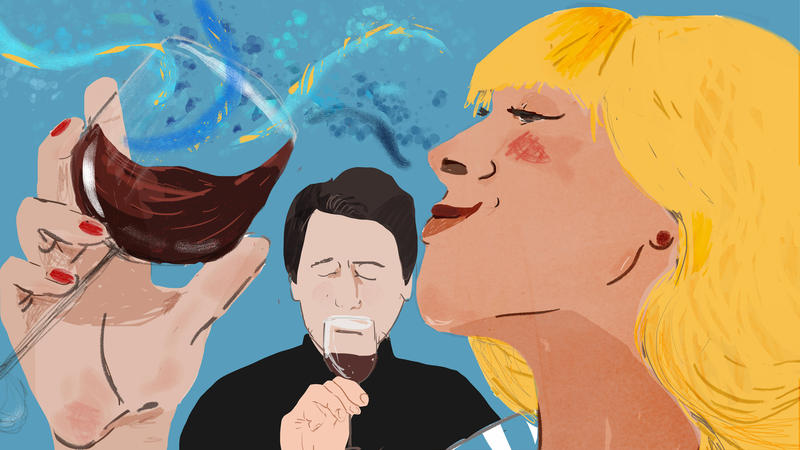
If, like me, you're an amateur taster of beer and wine, inevitably you've asked yourself why you don't taste that hint of raspberry or note of pine bark that someone else says is there.

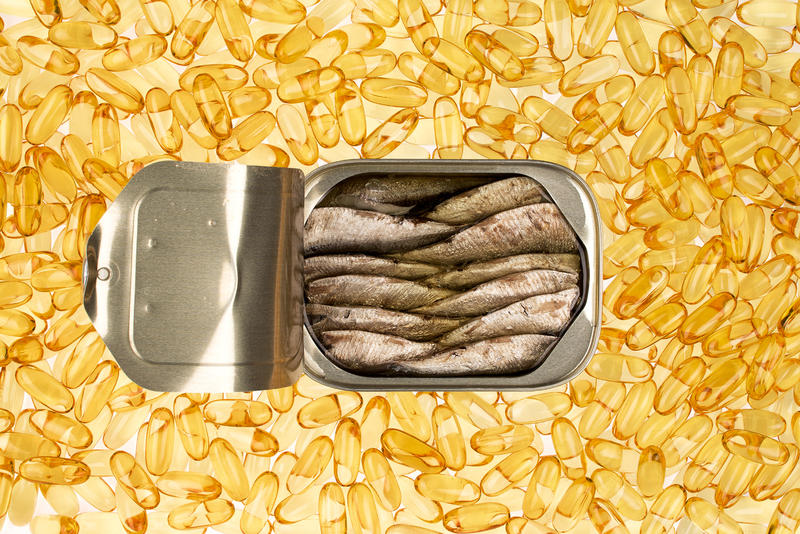
As a culture, we tend to ignore the advice to eat more fish. On average, Americans eat about 3.5 ounces of seafood per week. (Think a can of tuna or sardines.)

But evidence shows that consumption of 8 or more ounces of seafood per week can the risk of death from cardiovascular disease, and some studies have linked a regular fish habit over a lifetime to a lower risk of cognitive decline as well.

Fishing lore is full of tales about "the one that got away," and fishermen have been known to exaggerate the size of their catch. The bragging problem is apparently so bad, Texas even has a law on the books that makes lying about the size or provenance of a fish caught in a tournament an offense that could come with a felony charge.

Pages